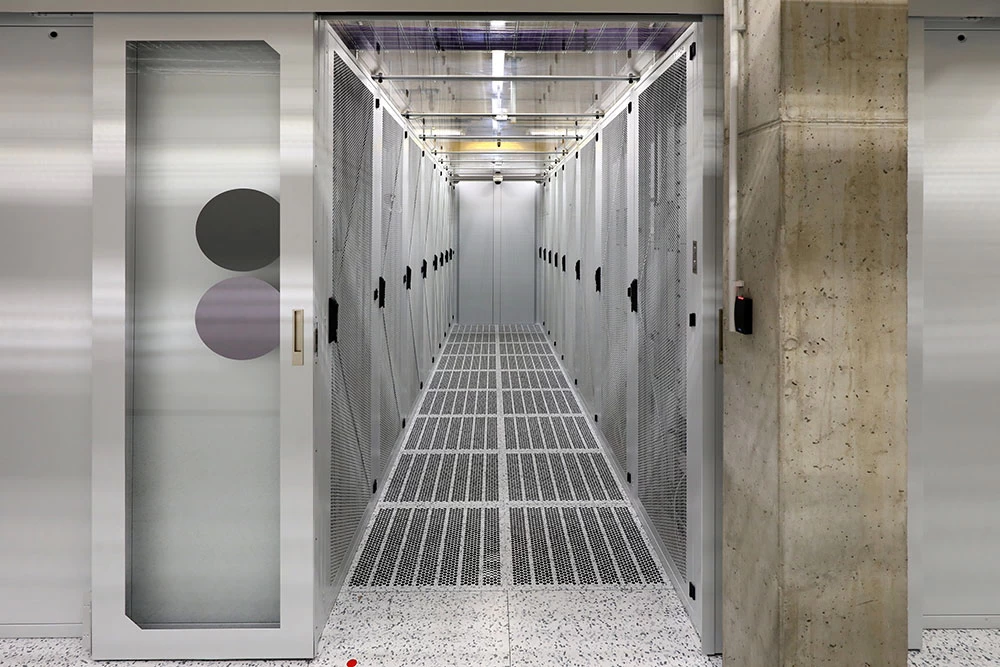
Corporate IT security doesn’t just start with configuring systems
When people talk about IT security, most people think of firewalls, access rights, encryption, monitoring and backups. All of these are important. However, when it comes to in-house infrastructure, there is another layer that is just as crucial: physical access to the technology.
A server, network device or storage unit is not an abstract service. It is a physical piece of equipment. Someone can gain access to it, someone can tamper with it, and someone can interfere with it. If the rules are not clear, risks arise even where the systems themselves are well configured.
That is why the physical security of a data centre is a fundamental prerequisite for its operation, not merely a supplement to cyber security. In a professional data centre, both layers are designed to work together: physical security prevents unauthorised tampering with the technology, whilst cyber security measures protect operations, access and network communications.
What does ‘controlled access’ mean in practice?
In a professional data centre, it is not enough simply to lock the doors. What matters is who is authorised to enter, for what purpose, at what time, to which area, and who keeps a record of this.
The security model is to include controlled access to the premises and technical areas, a record of visits and interventions, CCTV surveillance, the separation of authorisations according to role and scope of service, clear procedures for handling equipment, and the ability to trace who accessed the infrastructure and when.
Such a system does not hinder operations. On the contrary, it helps to ensure that interventions are carried out in a predictable and controlled manner.
Safety must be in harmony with operations
Well-designed physical security should not be a source of inconvenience for the customer. It should form part of the operational model. If a planned intervention is required, it must be clear who approves it, who carries it out and how it is documented. Should an emergency arise, there must be a procedure in place to protect both operations and the customer’s infrastructure.
At SafeDX Server Hotel, physical security is integrated with operational processes. Access is controlled, logged and traceable. This is important not only for technical security, but also for companies that need to demonstrate compliance with internal policies, audit requirements or regulatory obligations.
The operational framework is described on the service page DataCenterDX. If a company requires a controlled intervention without having to visit the data centre itself, the service builds on this RemoteHandsDX.
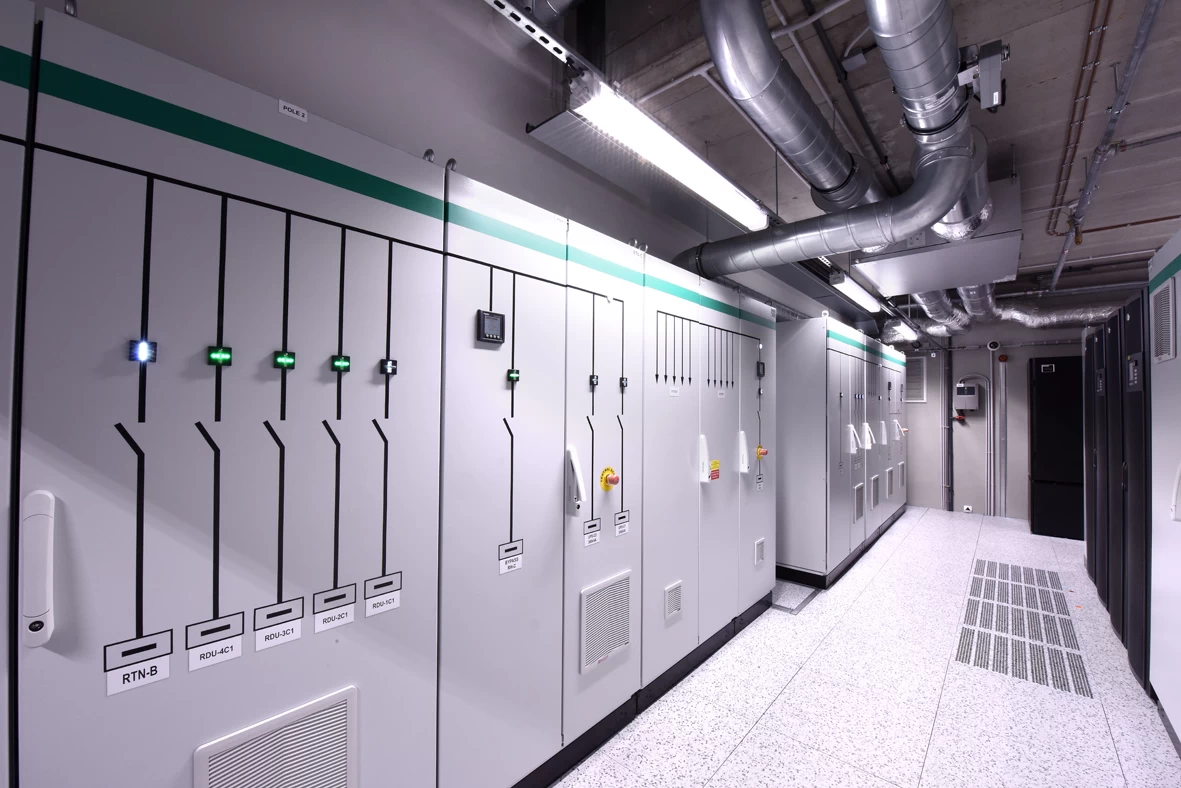
Why a company’s server room is often not enough
In an in-house server room, physical security is often the result of historical compromises. The room was originally set up within an office or manufacturing building; access is granted to various internal roles, and the rules have evolved over time to suit operational needs. As long as the infrastructure is small and of lesser importance, this need not be a problem.
However, once a company’s key processes rely on technology, a higher level of control is required. Who has the keys or access card? Is there a record of entry? How is a visit distinguished from a service call? Who authorises access to the equipment? What procedure applies to external contractors?
Would you like to see how physical security works in practice?
SafeDX will show you how controlled access to the infrastructure is set up in the actual operating environment data centre. For companies looking for a secure data centre in Prague, an in-person tour is often the quickest way to distinguish between general promises and the reality of day-to-day operations.